


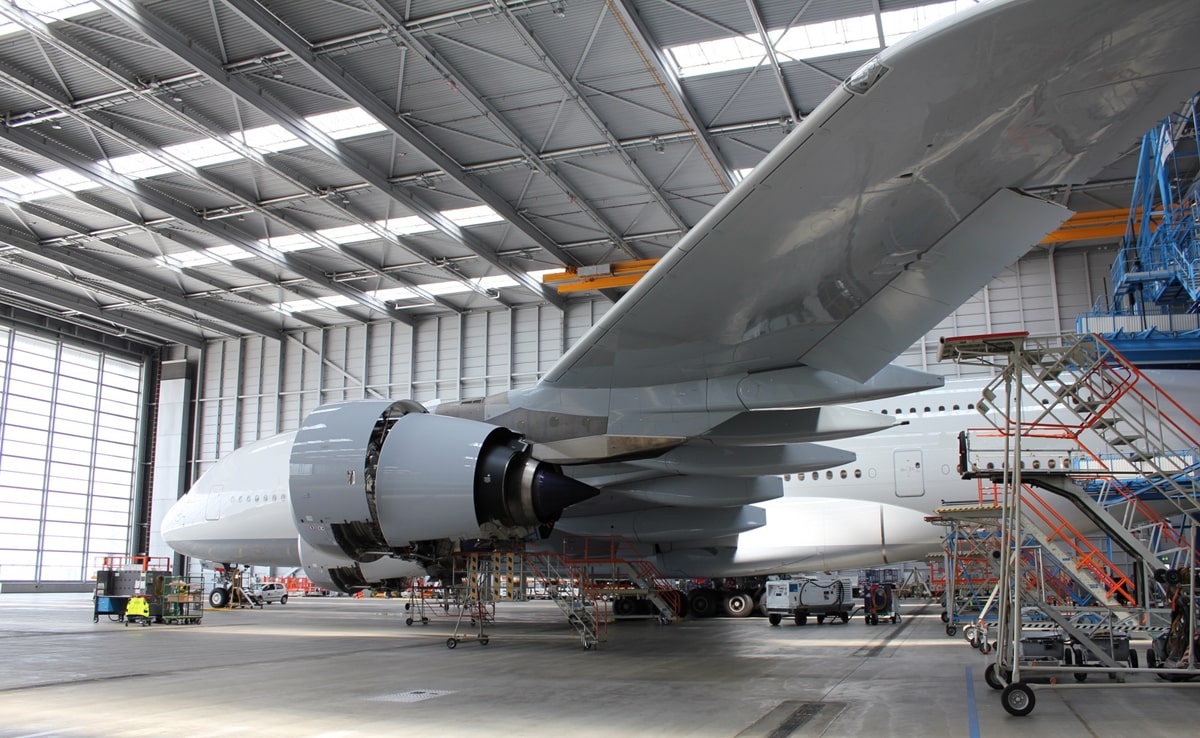
There are no doubts that air transportation plays a significant role in economic development. A temporary shutdown of an airport may lead to a series of harmful effects to different stake holders of the aviation industry. One of the possible causes of air ports shut down is fire events. This explain the importance of fire protection systems in such facilities. Airports are usually consisting of terminal buildings, loading bridges or walkways and fueling ramps as well as aircraft hangers. These occupancies do differ in fire causes, anticipated fire scale and required fire protection systems. Airport terminal buildings have a severe fire exposure potential from immediately adjacent aircraft fueling and servicing operations and the high-occupancy (people) load in terminals. NFPA 415, Standard on Airport Terminal Buildings, Fueling Ramp Drainage, and Loading Walkways primarily addresses the terminal building interface with the aircraft ramp, while a variety of other NFPA codes apply to areas such as restaurants, baggage handling systems, and important electronic and computer installations. Automatic sprinkler systems, Standpipe and hose systems and fire hydrants on both the ramp and street sides of airport terminal buildings as well as fire alarm systems are common fire protection systems to be found in an airport terminal building. Loading bridges or walkways usually protect passengers from weather conditions, but when they are complying with the requirements of NFPA 415, they constitute a safe egress from the aircraft. The large amount of flammable liquids handled during fueling an aircraft imposes special drainage requirements in the fueling ramp. Such requirements are outlined in NFPA 415. Aircraft hangars pose a fire protection problem due to large quantity of flammable liquids that exist into those hangars. NFPA 409, Standard on Aircraft Hangars defines types of aircraft hangar and outlines requirements and provisions for each type of hangar. Multiple fixed fire protection systems are recognized by NFPA 409 such as deluge foam-water sprinkler system, closed head water sprinklers system and low or high expansion foam systems as well as fire alarm system. Optical type detectors ultraviolet or infrared types also play a significant role in fire detection inside aircraft hangars due to the rapid propagation of anticipated fire and the height of modern hangars that delays the response of ordinary heat detectors.
