


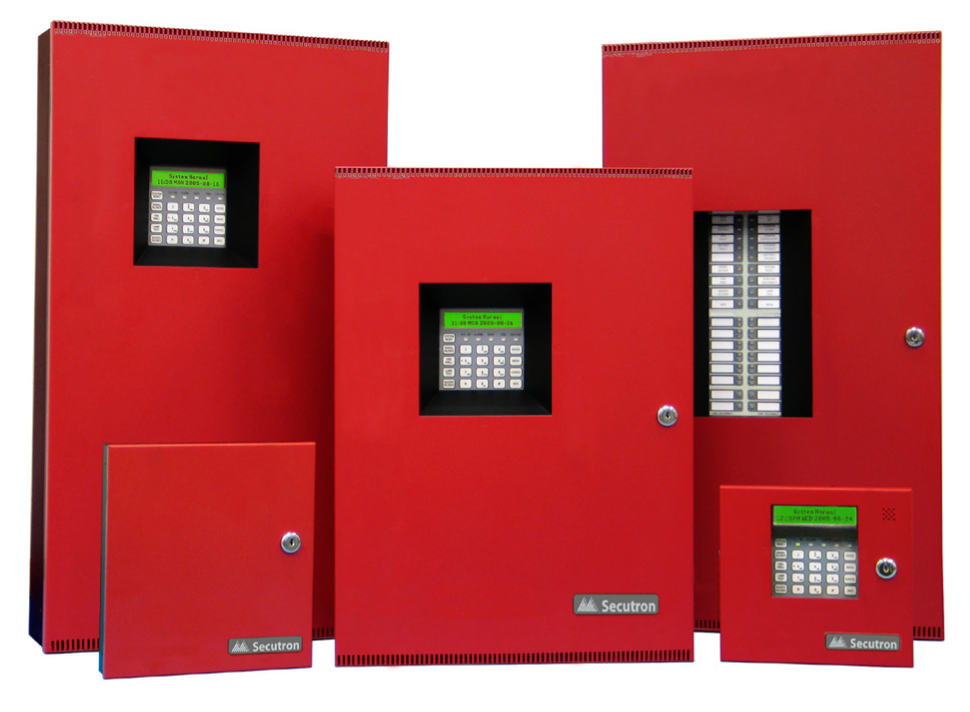
Fire Alarm, Mass Notification & Evacuation Systems
Detection and alarm are considered as the first line of defense in a building post to ignition. Due to such significant importance, technologies are being continuously improved toward earlier fire detection as wells as interconnection of different types of detection and alarm. It`s noticeable that fire protection and security fields have grown closer together. There are no doubts that a fire alarm system can effectively reduce the loss of life and limit the loss in property. Codes such as NFPA72, National Fire Alarm Code and NFPA 70, National Electrical Code involve the necessary requirements that help a designer to specify, design and install as well as maintain a fire alarm system. The determination of the protection goals is essential when it comes to the selection of a fire alarm system. Those goals may include life safety, property safety and mission protection. Heritage preservation, environmental protection and fire-responder safety are also included in those goals. Property risk analysis is the designer tool to identify the protection goals. It includes the identification of the property`s most probable fire threats and the analyses of their impact on the property. A fire alarm system provides different types of signals. Those signals are either alarm, supervisory or trouble signals. The alarm signal is a warning of fire danger that require immediate action, while the supervisory signal is action needed in connection with the operation of other fire protection systems which are monitored by the fire alarm system. On the other hand, a trouble signal indicates a fault in monitored circuit or components of the fire alarm system or the disarrangement of the primary or secondary supply. The basic components of a fire alarm system are:
A fire alarm system has three basic types of circuits:
1. Initiating Device Circuits (IDC)
2. Notification Appliance Circuits (NAC)
3. Signaling Line Circuits (SLC)
Initiating device circuits connect conventional (non-addressable) fire alarm and supervising initiating devices to the system control unit. Notification appliance circuits connect notification appliances (audible and visible) to the system control unit. The signaling line circuits are circuits over which two-way data communications take place. Different types of fire alarm systems are available based on system function. Those systems are:
A protected premises system main purpose is to activate local audible and visible alarm notification appliances to notify the occupants that they must evacuate the protected building. In properties such as high-rise buildings and large assembly occupancies an emergency voice / alarm communication system is used as it is necessary to relocate occupants to areas of refuge rather than evacuate them. Because most of casualties and fatalities during fire events in such facilities occur due to smoke and random escape. This system consists of speakers located throughout the building. They are connected to, and controlled from, the building fire command station. Alerts and Instruction can be received by individual speaker zone or the entire building from the building fire command station. This system may also include fire warden telephone stations for the purpose of reporting to local command station and to pass specific evacuation instructions. A mass notification system is either of standalone type or integrated with emergency voice / alarm communication system. 3D Graphical Software may be used to increase the efficiency of fire reporting and evacuation process management. The central station fire alarm system is usually provided for high value facilities. It is designed to receive signals from a protected premise at a constantly attended location operated by a company whose purpose is providing central station service. A proprietary system is similar to a central station system but with the supervising station owned and operated by the property owner and located at the protected premises or another location of the property owner. It is usually used in large facilities. The remote station fire alarm system is used to connects the outputs from a building fire alarm control unit and transmits them to a remote location. On the other hand, an auxiliary fire alarm system provides the interface between a protected premises fire alarm system and a public fire reporting system.
All previously discussed systems and components are provided by Bavaria to satisfy the customers’ needs. Please check our products technical datasheets for more information or contact us.
لم يتم العثور على أي صور.
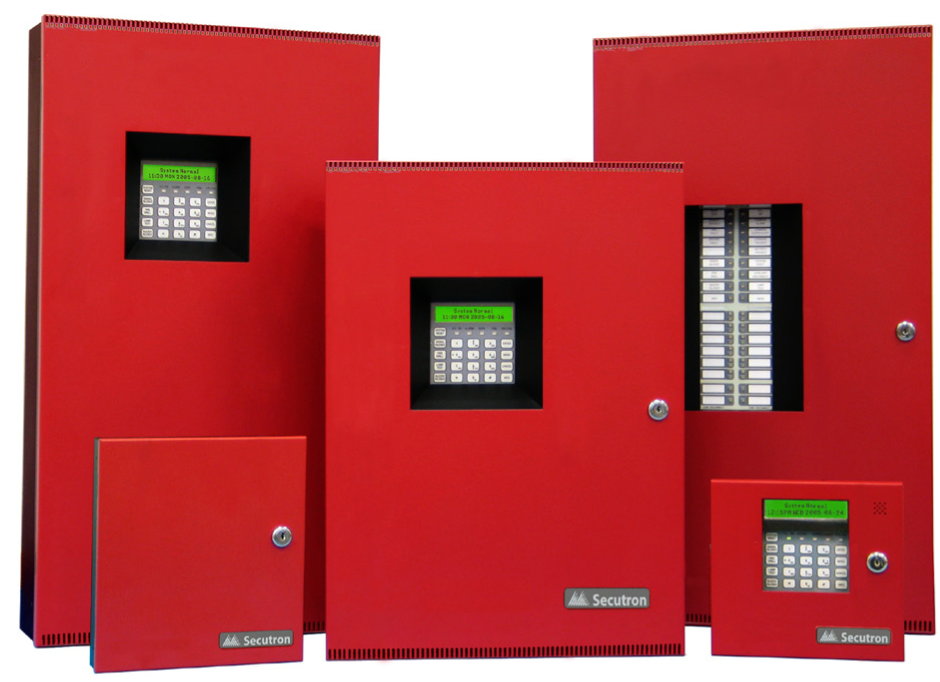
أنظمة إنذار الحريق ، والإبلاغ الجماعي والإخلاء
يعتبر كشف وإنذار الحريق بمثابة خط الدفاع الأول في المبنى في مجال الوقاية من الحريق ، وللأهمية الكبرى لهذا النظام يسير التطور التكنولوجي في اتجاه تحقيق الكشف المبكر عن الحرائق ، بالإضافة إلى ربط الأنواع المختلفة من أجهزة الكشف والإنذار ، ويلاحظ وجود صلة وثيقة بين مجالات الأمن والحماية من الحرائق ، ومما لا شك فيه أن لنظام الإنذار القدرة على تقليل الخسائر في الأرواح والحد من الخسائر في الممتلكات بشكل كبير ، وتتضمن المواصفات القياسية رقم (NFPA 72) ورقم (NFPA 70) والصادرة عن المؤسسة الأمريكية للوقاية من الحريق المتطلبات التي تدعم المصمم في التصميم ووضع مواصفات لتركيب ، وصيانة نظام إنذار الحريق ، ومن المهم تحديد الأهداف من الحماية عند اختيار نظام إنذار الحريق ، وتشمل هذه الأهداف الحفاظ سلامة الأرواح ، وسلامة الممتلكات ، واستمرارية العمل بالمؤسسة ، و تشمل أيضا الحفاظ على التراث ، و حماية البيئة ، وسلامة فرق التدخل السريع والإطفاء ، ويشكل تقييم المخاطر في المنشأة أداة للمصمم تساعده على تحديد أهداف الحماية ، و يشمل ذلك تحديد التهديدات التي قد تتسبب في حدوث حريق في المنشأة باحتمالية كبيرة ، وتحليل تأثيرها على تلك المنشأة ، وييستخدم نظام إنذارالحريق أنواعا مختلفة من الإشارات ، تشمل هذه الإشارات الإنذار ، أو المراقبة ، أو الإبلاغ بالمشاكل (الحيود عن الحالة الطبيعية للنظام) ، وتعرف تلك الإشارات كالتالي:
· إشارة الإنذار: تحذير من خطر الحريق يتطلب اتخاذ إجراء فوري
· إشارة المراقبة: إبلاغ بإجراء مطلوب لأحد أنظمة الحماية من الحريق الأخرى التي يتم مراقبتها بواسطة نظام إنذار الحريق
· إشارة الإبلاغ بالمشاكل: إبلاغ بحدوث حيود عن الحالة الطبيعية للنظام كوجود عطل أو مشكلة في دائرة إلكترونية من الدوائر أو مكون من مكونات نظام إنذار الحريق ، أو الانتقال بين مصدري إمداد الطاقة الكهربية الرئيسي و والاحتياطي
المكونات الأساسية لنظام إنذار الحريق هي:
1- لوحة التحكم في النظام (FACP)
2- مصدر الطاقة الرئيسي
3- مصدر الطاقة الاحتياطي
4- واحد أو أكثر من أجهزة الكشف عن الحريق
5- واحدة أو أكثر من دوائر أجهزة الإبلاغ أو الإنذار الصوتي والمرئي
يشتمل نظام إنذار الحريق على ثلاثة أنواع أساسية من الدوائر:
1- دوائر أجهزة بدأ تشغيل النظام (IDC) من كواشف للحريق ومفاتيح يدوية للتشغيل
2- دوائر أجهزة الإبلاغ أو الإنذار الصوتي والمرئي (NAC)
3- دوائر خطوط نقل الإشارات (SLC)
حيث يتم ربط الكواشف التقليدية (غير المعنونة) وأجهزة المراقبة بلوحة التحكم في النظام (FACP) بواسطة دوائر أجهزة بدأ تشغيل النظام (IDC) ، وتربط دوائر أجهزة الإبلاغ أو الإنذار الصوتي والمرئي (NAC) الأجراس وأجهزة الوميض ذات التنبيه الصوتي بلوحة التحكم في النظام ، أما دوائر خطوط نقل الإشارات (SLC) فهي تمثل قناة ثنائية الاتجاه للاتصال مع لوحة التحكم وتسخدم في الأنظمة الذكية (المعنونة) ، وتتوفر أنواع مختلفة من أنظمة إنذار الحريق تبعا للمهمات التي يؤديها النظام ،و هذه الأنظمة هي:
1- أنظمة إنذار تعمل داخل منشأة محددة فقط (Protected Premises System)
2- نظام الإنذار الصوتي والإبلاغ في حالة الطوارئ
(Emergency Voice / Alarm Communication System)
3- نظام إنذار الحريق المركزي (Central Station Fire Alarm System)
4- نظام إنذار الحريق المركزي ذو مركز التحكم المملوك لمنشأة محددة (Proprietary System)
5- نظام الإنذار ذو مركز للتحكم عن بعد (Remote Station System)
6- نظام الإنذار الإضافي (Auxiliary System)
تهدف أنظمة الإنذار داخل منشأة محددة (Protected Premises System) بشكل رئيسي إلى تشغيل أجهزة الإنذار المسموعة والمرئية لإبلاغ مستخدمي المبنى بأن عليهم إخلاء المبنى ، كما يستخدم في بعض المنشآت مثل المباني شاهقة الارتفاع ، ومنشآت تجمع المستخدمين الكبيرة نظام الإنذار الصوتي والإبلاغ في حالة الطوارئ (Emergency Voice / Alarm Communication System) ، حيث أنه من الضروري في تلك المنشآت نقل الأفراد إلى أماكن آمنة بدلا من إخلائهم ، حيث أن غالبية الإصابات والوفيات الناتجة عن اشتعال الحريق في مثل تلك المنشآت تنتج عن الاختناق نتيجة انتشار الدخان أو التدافع بين الأفراد أثناء الهروب العشوائي ، ويتكون هذا النظام من سماعات موزعة في جميع أنحاء المبنى ، وجميعها متصلة بمركز للتحكم والسيطرة داخل المنشأة ، و يتم التحكم فيها من خلال ذلك المركز ، حيث يمكن الاختياربين استلام التنبيهات والتعليمات في منطقة فردية أو في المبنى بأكمله من خلال مركز التحكم والسيطرة ، ويمكن أن يشتمل هذا النظام على محطات لهواتف الطوارئ تسخدم من قبل فرق التدخل السريع لإبلاغ مركز القيادة والسيطرة بحدوث حريق أو طلب إصدار تعليمات محددة للإخلاء ، ويكون نظام الإبلاغ الجماعي من النوع المستقل بذاته أو المدمج مع نظام الإنذار الصوتي والإبلاغ في حالة الطوارئ ، كما يمكن استخدام أنظمة المتابعة ثلاثية الأبعاد للأحداث لزيادة الكفاءة في متابعة الأحداث وإدارة عملية الإخلاء ، ويستخدم نظام إنذار الحريق المركزي (Central Station Fire Alarm System) في المرافق الهامة ، وهو مصمم لتلقى الإشارات من أنظمة للإنذار داخل منشآت محددة (Protected Premises System) وإرسالها إلى موقع يتم التواجد فيه باستمرار وتديره جهة هدفها توفير خدمة مركزية ، ويتشابه نظام إنذار الحريق المركزي ذو مركز التحكم المملوك لمنشأة محددة (Proprietary System) مع نظام الإنذار المركزي مع فارق وحيد وهو أن الإشارات ترسل إلى مركز تحكم وسيطرة يملكه ويديره صاحب المنشأة ويقع داخل المنشأة أو في أي مكان يمتلكه صاحب المنشأة وعادة ما يتم استخدام هذا النظام في المرافق الكبيرة ، ويتم استخدام أنظمة الإنذار ذات مركز التحكم عن بعد (Remote Station System) في الربط بين الإشارات المرسلة من لوحة التحكم وإرسالها إلى أماكن بعيدة ، ومن ناحية أخرى يوفر نظام الحريق الإضافي (Auxiliary System) الربط بين أنظمة إنذار تعمل داخل منشأة محددة (Protected Premises System) ونظام الإبلاغ العام عن الحريق.
يتم توفير جميع الأنظمة والمكونات التي سبق ذكرها من قبل شركة بافاريا لتلبية احتياجات العملاء. لمزيد من المعلومات يرجى مراجعة المواصفات الفنية لمنتجاتنا آو الاتصال بنا.
لم يتم العثور على أي صور.