


No images found.

No images found.

No images found.
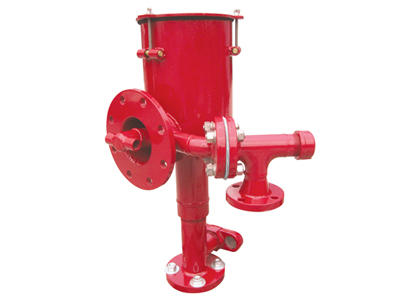
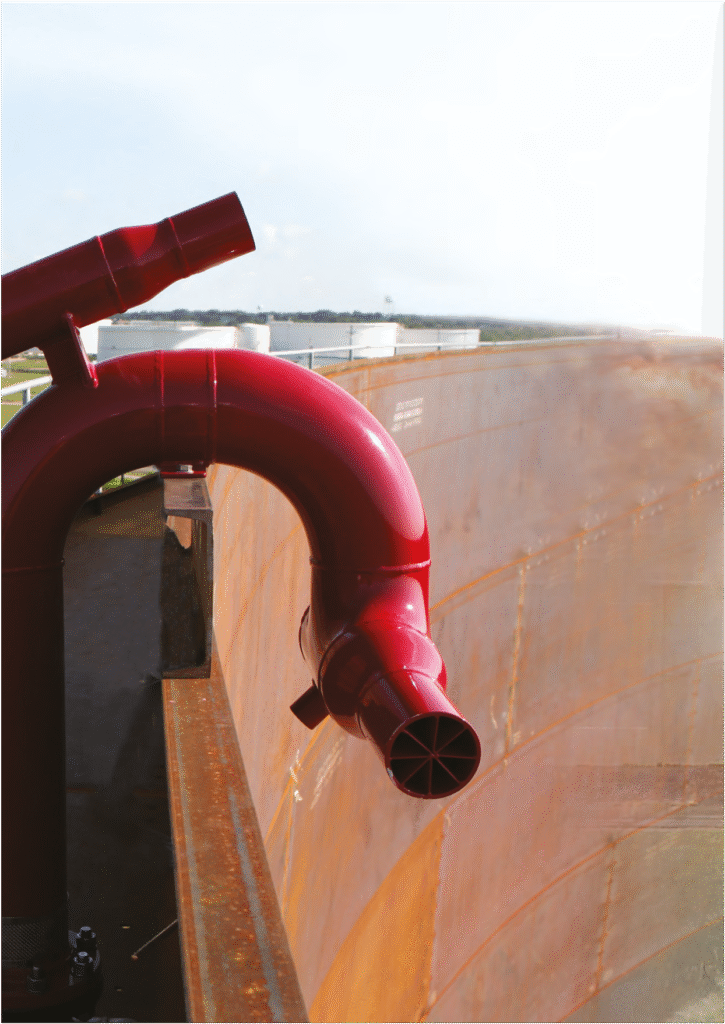
LW series dual-agent chambers combine both foam and dry-chemical applications to the internal fire. First a foam application will extinguish and secure the surface fire, then a secondary dry-chemical discharge dispels any residual flammable vapor above the foam blanket rendering the internal space inert thus allowing safe follow-up risk mitigation and recovery operations. These dual agent chambers are modified Williams LW series foam chambers, each fitted with additional piping and discharge tips for dry chemical. Used around the perimeter of a storage tank at a spacing of 80 feet (24.4 m), the dual agent chamber works in tandem with this network of adjacent foam chambers to apply a powerful dry-chemical attack that eliminates residual flammable vapors in the space above the foam blanket. LW series dual-agent foam chambers are a simple retrofit. It is compatible with the mounting dimensions and hardware for Williams LW series foam chambers.
No images found.
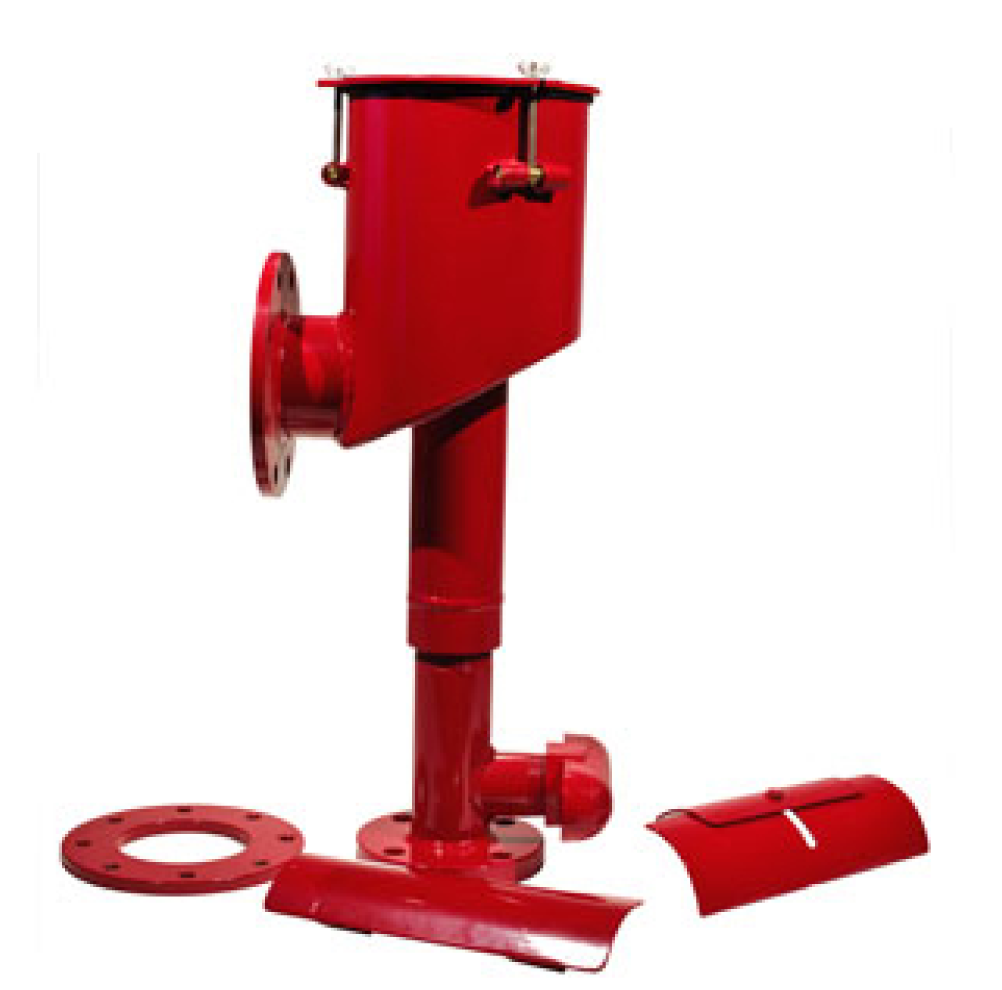
LW Series Foam Chambers consist of a foam expansion chamber and an integral foam maker, defined by NFPA 11 as “Type II” top-side application device. The foam chamber is installed inside a flammable liquid storage tank above the product’s highest liquid level. The chambers are designed to meter foam flow, then gently expand and deliver foam directly onto the surface of a flammable or combustible liquid. The foam solution is piped to the chamber from outside the hazard area. Upon entering the chamber, the foam solution is expanded and then discharged against a deflector inside the storage tank. The deflector directs the foam against the inside wall of the storage tank. This reduces the submergence of the foam and agitation of the fuel surface. In operation, foam solution passes through an orifice plate which is sized to deliver the required flow rate at a specific inlet pressure. The metered flow of foam solution is then introduced into the foam maker, where it is aerated. The foam chamber inlet piping is fitted with a frangible vapor seal, which is designed to rupture at a predetermined pressure. The aerated foam solution enters the foam expansion chamber body, where additional expansion occurs, and the velocity of the foam is reduced. As the foam leaves the chamber body, it passes through the tank shell, and then impacts the foam deflector, which directs the foam down the tank wall and ultimately onto the fuel surface. Foam deflectors are available in either split (as a standard) or shallow configurations. Split-style deflectors allow for installation when the deflector location is only accessible from outside the tank (existing tank installations), but can be used elsewhere. Shallow style deflectors are useful when only a small space between the foam dam or tank rim is available and a normal deflector may come into contact with part of the floating roof. All foam chambers are supplied with standard finish, primed with red epoxy exterior coating.
No images found.